Check Now! Are Your Symptoms Allergies or a Common Cold?
Health News
Check Now! Are Your Symptoms Allergies or a Common Cold?
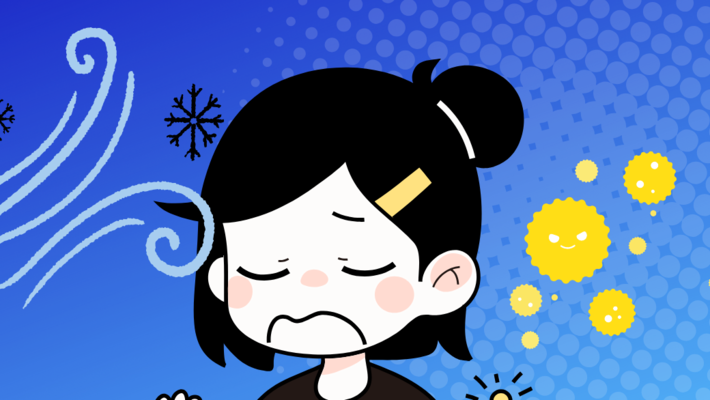
Sneezing, a runny nose, and constant nasal congestion are common during times of fluctuating weather—shifting between hot and cold—or during periods of PM2.5 accumulation. Many people struggle to distinguish whether they are suffering from a Cold or Allergies. Although both conditions appear similar, they have completely different causes and care methods. Identifying the symptoms correctly is the key to fast and effective recovery.
How do the causes of these two conditions differ?
- Allergies (Allergic Rhinitis): Occurs when the body's immune system overreacts to non-germ triggers such as PM2.5 dust, dust mites, pollen, pet dander, or sudden temperature changes. This is not a contagious disease.
- Common Cold: Caused by a viral infection in the respiratory system (over 200 types). The virus spreads through coughing, sneezing, or contact with the secretions of an infected person. It is the most common contagious disease.
Spotting the Symptoms: Which points clearly indicate Allergies vs. a Cold?
- Type of Mucus: With allergies, mucus is usually clear and watery. With a cold, mucus may start clear but often becomes thick and turns yellow or green later on.
- Itching: "Itching" is a key differentiator. If you experience itchy eyes, an itchy nose, or an itchy throat, it is likely allergies. A cold usually does not involve itching but is often accompanied by a sore throat.
- Fever: Allergies do not cause a fever. If you have a low-grade fever, body aches, or feel chills, these are clear signs of a cold.
- Consecutive Sneezing: Allergies often come with "fits" of sneezing (many times in a row), especially when exposed to triggers. A cold usually involves only occasional sneezing.
Duration of Symptoms: Which one heals faster?
- Duration of a Cold: Symptoms typically improve within 7-10 days as the body builds immunity to fight the virus, leading to a full recovery.
- Duration of Allergies: Symptoms persist as long as you are exposed to the trigger. Some people may have chronic symptoms for weeks or months, often worse in the early morning or before bed, improving when moving away from the trigger area.
Basic Treatment and Self-Care?
- Allergies: The key is "avoiding" triggers and using antihistamines or nasal sprays as advised by a doctor or pharmacist. Nasal irrigation with saline is very effective at washing away allergens.
- Common Cold: Focus on "symptomatic treatment" and getting plenty of rest to allow the body to recover. Drink plenty of warm water, take fever reducers or decongestants if necessary, and wear a mask to prevent spreading the virus to others.
The Key Difference between allergies and a cold is that allergies often involve itching and fits of sneezing with clear mucus and no fever, and the symptoms are chronic based on the environment. In contrast, a cold is a viral infection that often involves a low-grade fever, sore throat, and body aches, usually clearing up within a week. Correctly identifying the condition helps you choose the right treatment—such as antihistamines for allergies or rest and fever reducers for a cold—for the fastest and safest recovery.
Follow Our Social Network
 |  |  |  |  |  |