4 Common Complications in Bedridden Seniors
Health News
24 Oct 2026
views
4 Common Complications in Bedridden Seniors
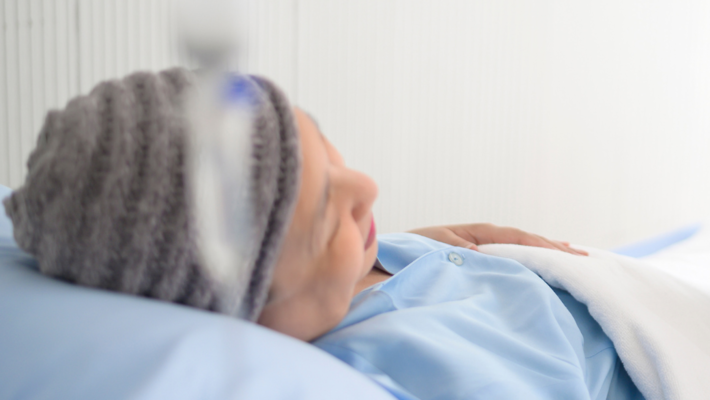
Caring for Bedridden Seniors is a delicate, highly attentive mission that requires proper medical principles. Prolonged immobility rapidly deteriorates bodily systems. Without proper knowledge and preventive care, severe complications can arise, risking the patient's life and significantly increasing the burden of care. Here are 4 critical complications faced by bedridden elderly individuals, along with proper prevention and management strategies:
Caring for Bedridden Seniors is a delicate, highly attentive mission that requires proper medical principles. Prolonged immobility rapidly deteriorates bodily systems. Without proper knowledge and preventive care, severe complications can arise, risking the patient's life and significantly increasing the burden of care. Here are 4 critical complications faced by bedridden elderly individuals, along with proper prevention and management strategies:
- Pressure Ulcers (Bedsores) : The 1 most frequent issue, caused by prolonged body weight pressure on bony prominences (e.g., tailbone, heels, hips, and back). Impaired blood circulation causes tissue necrosis, resulting in slow-healing ulcers at high risk for bloodstream infections.
- Prevention : Reposition and turn the patient every 2 hours, utilize an alternating air mattress to distribute pressure, and keep skin clean and dry at all times.
- Joint Contractures & Muscle Atrophy : Inactivity leads to muscle wasting and joint stiffness locked in fixed positions, causing pain during movement and making physical rehabilitation increasingly difficult.
- Prevention : Perform gentle daily passive range-of-motion (Passive ROM) exercises by assisting joints with flexion and extension of arms, legs, and fingers 2–3 times a day.
- Respiratory & Urinary Tract Infections (UTIs) :
- Aspiration Pneumonia : Caused by feeding in a flat position, leading to food particles or saliva entering the airway.
- Urinary Tract Infection (UTI) : Results from long-term urinary catheter use or inadequate perineal hygiene.
- Prevention : Elevate the head of the bed to 45–60 degrees during meals and maintain for 1 hour post-feeding. Practice strict hygienic cleaning after elimination and change adult diapers immediately.
- Depression & Mental Health Decline : Being bedridden, reliant on others, and isolated from social interaction often makes seniors feel like a burden, leading to chronic stress, depression, anxiety, and loss of appetite.
- Prevention : Communicate with love and patience, open curtains for natural morning sunlight, engage in light bedside activities (listening to music, watching TV), and encourage family members to spend meaningful time chatting with them.
Caring for bedridden seniors requires deep empathy, patience, and correct medical principles. Preventing pressure ulcers through regular turning, exercising joints to avoid contractures, preventing aspiration pneumonia, and nurturing emotional well-being are essential to ensuring a high quality of life and safety from dangerous complications.
ติดตาม โซเชียลเน็ตเวิร์ก ของเรา
 |  |  |  |  |  |