In-Depth Comparison : Influenza A vs. Influenza B
Health News
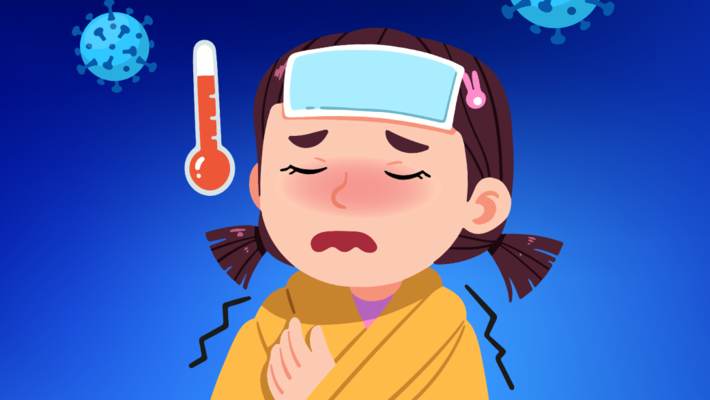
In-Depth Comparison : Influenza A vs. Influenza B
Influenza is a common respiratory infection seen year-round, especially during the rainy and winter seasons. While its initial symptoms may resemble a common cold, influenza carries a significantly higher risk of severe illness and serious complications. The two primary types affecting humans are Influenza A and Influenza B, which differ in their origins, severity, and high-risk groups. Understanding these differences helps ensure timely symptom monitoring and medical treatment.
Origin & Mutation :
- Influenza A : Found in both humans and animals (such as birds, pigs, and horses). It mutates easily and rapidly into subtypes (like H1N1 and H3N2), making it the primary cause of global pandemics.
- Influenza B : Transmitted exclusively among humans (not found in animals). It mutates more slowly than Influenza A (divided into Yamagata and Victoria lineages) and typically causes seasonal, localized outbreaks.
Symptom Severity :
- Influenza A : Often causes sudden, severe symptoms, including rapidly spiking high fever (38.5–40°C), intense body aches, chills, and extreme fatigue, with a higher risk of complications such as pneumonia or bronchitis.
- Influenza B : Overall symptoms are generally slightly milder than Influenza A, featuring moderate-to-high fever, runny nose, cough, sore throat, and headache. However, young children may also experience gastrointestinal symptoms such as nausea, vomiting, or diarrhea.
Commonly Affected Risk Groups :
- Influenza A : Affects all age groups, but poses a particularly severe risk to older adults, patients with chronic conditions, and immunocompromised individuals.
- Influenza B : Frequently spreads among school-aged children, teenagers, and working adults in schools or crowded indoor spaces.
Warning Signs That Require Immediate Medical Attention
Whether infected with Influenza A or B, seek prompt medical care for antiviral treatment (such as Oseltamivir) if any of the following occur :
- Persistent high fever lasting more than 3 days, or fever unresponsive to medication
- Shortness of breath, difficulty breathing, or chest tightness/pain
- Drowsiness, confusion, leg weakness, or inability to drink fluids/eat (especially in seniors and young children)
- Bluish discoloration of the lips, fingertips, or toes
Your Best Shield of Protection
- Get the Quadrivalent (4-Strain) Flu Vaccine : Recommended once every year to protect against both Influenza A (H1N1, H3N2) and Influenza B (Yamagata, Victoria), reducing disease severity and hospitalization rates by 70–80%.
- Maintain Personal Hygiene : Wash hands frequently with soap or alcohol-based sanitizer, wear a mask in crowded areas, and avoid close contact with sick individuals.
The main differences between Influenza A and B lie in their origins and mutation rates—Influenza A spreads between humans and animals with sudden, severe symptoms, while Influenza B circulates solely in humans and commonly affects children and students. Nevertheless, both strains can be effectively prevented with an annual 4-strain flu shot alongside consistent personal hygiene to keep you and your loved ones safe all year round.
Follow Our Social Network
 |  |  |  |  |  |